




CDSCO Medical Device Licence & import Registration – A Legal Guide
Written By

Treelife
Share
-
Link copied to clipboard!https://treelife.in/legal/cdsco-medical-device-licence-import-registration/

-

-

-

-

AI Summary
- A CDSCO manufacturing or import licence is mandatory for all Class B, C and D medical devices, and for Class A devices that are sterile or have a measuring function, before they can be sold, distributed or imported in India.
- Class A devices that are both non-sterile and non-measuring are exempt from mandatory licensing and require only voluntary registration on the CDSCO portal under the Medical Devices Rules 2017.
- Since 1 October 2023, devices previously classified as 'non-notified' and operating outside any licensing regime now fall under the CDSCO licensing obligation.
- CDSCO uses a four-tier, risk-based classification system (Class A to D) aligned with International Medical Device Regulators Forum (IMDRF) principles, with in vitro diagnostic devices following a parallel A to D scheme.
- Examples by class include tongue depressors (Class A), hypodermic needles (Class B), ventilators and bone fixation plates (Class C), and cardiac stents and heart valves (Class D).
- In October 2025, CDSCO directed that the Central Licensing Authority (CLA) must classify Class A, Class B and IVD devices before a State Licensing Authority (SLA) can grant a manufacturing licence, closing the earlier practice of SLAs approving licences based on applicants' self-classification.
- Manufacturers of Class A or Class B devices must now factor in time for a CLA classification determination even though the manufacturing licence itself is granted by the state SLA.
- A dedicated online provision for Risk Classification applications went live on the CDSCO SUGAM portal on 27 November 2025, with the equivalent provision for IVDs going live on 18 February 2026.
- Applicants should resolve classification through the SUGAM portal before filing a manufacturing or import application, as a mid-application classification dispute resets the process timeline.
Blog Content Overview
- 1 How CDSCO classifies a medical device before anything else can happen
- 2 Manufacturing licence forms: MD-5 and MD-9
- 3 Import registration: how MD-14 and MD-15 work for importers
- 4 Devices with no predicate: the MD-26/MD-27 pathway
- 5 Timelines and fees: what to actually budget for
- 6 Filing on the SUGAM portal: the actual sequence
- 7 Retention, renewal and post-approval compliance
- 8 What is proposed but not yet in force
- 9 Common mistakes that cost manufacturers and importers time and money
- 10 FAQ’s on CDSCO Medical Device Licence & import Registration – A Legal Guide
A medical device cannot be legally manufactured, sold, distributed or imported into India without the correct authorisation from the Central Drugs Standard Control Organisation (CDSCO), the national regulatory authority under the Directorate General of Health Services, Ministry of Health and Family Welfare. The Medical Devices Rules 2017, framed under the Drugs and Cosmetics Act 1940, govern this framework, and it has moved fast: since October 2023 the regulatory net has closed around devices that previously operated outside formal licensing, and CDSCO has issued further directives through 2025 and 2026 that change which authority classifies your device and which forms you file. This guide sets out the licence a manufacturer or importer actually needs, in the order the application has to happen.
Is a CDSCO licence mandatory for every medical device sold in India?
Yes, with one narrow exception. All Class B, C and D devices, and Class A devices that are sterile or have a measuring function, require a CDSCO manufacturing or import licence before sale or distribution. Class A devices that are both non-sterile and non-measuring were exempted from mandatory licensing and instead require only voluntary registration on the CDSCO portal (Medical Devices Rules 2017, as amended). Since 1 October 2023, this obligation extends to devices that were previously “non-notified” and operated outside any licensing regime.
How CDSCO classifies a medical device before anything else can happen
Every CDSCO application, manufacturing or import, starts with classification, because the class determines which authority decides the application, which forms apply, and what evidence CDSCO expects.
CDSCO uses a four-tier, risk-based classification system aligned with International Medical Device Regulators Forum (IMDRF) principles. Class A devices are low risk (examples: tongue depressors, non-sterile surgical instruments). Class B devices are low-moderate risk (hypodermic needles, suction equipment). Class C devices are moderate-high risk (ventilators, bone fixation plates, digital imaging systems). Class D devices are high risk (cardiac stents, heart valves, implantable devices). In vitro diagnostic devices (IVDs) follow a parallel A to D scheme calibrated to public health and individual risk rather than device invasiveness.
Classification and licensing authority are two separate questions, and CDSCO has, through 2025, deliberately tied them back together. In October 2025, CDSCO issued a directive reaffirming that the Central Licensing Authority (CLA), CDSCO’s own headquarters function, must classify Class A, Class B and IVD devices before a State Licensing Authority (SLA) can grant a manufacturing licence for that device. Before this directive, some SLAs granted Class A and B manufacturing licences on the applicant’s own self-classification. That route has closed. If you manufacture Class A or Class B devices, budget time for a CLA classification determination even though the manufacturing licence is ultimately granted by your state’s SLA.
Two further procedural changes matter for timing in 2026. A dedicated online provision for Risk Classification applications went live on the CDSCO SUGAM portal from 27 November 2025, and the equivalent provision for IVDs went live from 18 February 2026 (CDSCO SUGAM portal notices). File and resolve both before committing to a manufacturing or import filing built around an assumed class, since a classification dispute discovered mid-application resets the clock.
CDSCO risk classification and licensing authority:
| Class | Risk level | Classifying authority (2026) | Licence-granting authority | Example devices |
|---|---|---|---|---|
| Class A (sterile/measuring) | Low | Central Licensing Authority | State Licensing Authority | Sterile dressings, digital thermometers |
| Class A (non-sterile, non-measuring) | Low, exempt from licensing | Not applicable | Voluntary registration only | Tongue depressors, non-sterile bandages |
| Class B | Low-moderate | Central Licensing Authority | State Licensing Authority | Hypodermic needles, infusion sets |
| Class C | Moderate-high | Central Licensing Authority | Central Licensing Authority | Ventilators, orthopaedic implants, imaging systems |
| Class D | High | Central Licensing Authority | Central Licensing Authority | Cardiac stents, heart valves, IVD reagents for blood screening |
Manufacturing licence forms: MD-5 and MD-9
A manufacturer setting up or expanding production in India applies for one of two licence forms depending on device class, and the outcome is issued in a corresponding grant form.
MD-3 (application) and MD-5 (licence) apply to Class A and Class B devices. The application is filed with the State Licensing Authority of the state where the manufacturing site is located, but as covered above, classification confirmation from the Central Licensing Authority is a practical precondition for Class A (sterile/measuring) and Class B applications from 2025 onward.
MD-7 (application) and MD-9 (licence) apply to Class C and Class D devices. Both the application and the grant sit with the Central Licensing Authority. A Class C or D manufacturing application additionally requires evidence of an operational Quality Management System conforming to ISO 13485, and CDSCO expects this system to already be running at the facility at the time of application, not implemented afterward in response to a query.
A manufacturer producing devices across more than one risk class at the same site will typically need to run MD-5 and MD-9 applications in parallel for the respective device categories, since the two licence types are not interchangeable and one does not subsume the other.
Import registration: how MD-14 and MD-15 work for importers
Import is a materially different pathway from domestic manufacturing, and the difference that trips up first-time importers is this: an overseas manufacturer cannot apply to CDSCO directly.
Form MD-14 is the application for an import licence, and Form MD-15 is the licence itself, granted by the Central Licensing Authority once the application clears review. Every class of imported device (Class A sterile/measuring, and all of B, C and D) requires an MD-15 licence before commercial sale or distribution in India. Class A non-sterile, non-measuring imports fall into the same voluntary registration exemption that applies to domestic manufacture of the same category.
The applicant on Form MD-14 must be an Indian entity holding a valid wholesale licence in Form MD-42, acting as the Indian Authorised Agent (IAA) for the foreign manufacturer. The foreign manufacturer executes a power of attorney or authorisation letter in favour of this agent, who then files, corresponds with CDSCO, and holds the licence on the manufacturer’s behalf. This structural requirement means an overseas medtech company entering India needs a distribution or agency relationship in place before the CDSCO clock can start, not after the product is otherwise ready to ship.
Import for purposes other than commercial sale follows a separate set of forms. MD-16 and MD-17 cover import for testing, evaluation, demonstration, training or clinical investigation. MD-18 and MD-19 cover import by a government hospital or statutory medical institution for patient treatment. MD-20 covers import of a small quantity for personal use. None of these substitute for the MD-14/MD-15 route once the intent is commercial distribution.
What documents does CDSCO require for a medical device import licence?
The core document set is the Device Master File (technical specifications, design, intended use, risk analysis), the Plant Master File (manufacturing site details and quality systems), a Free Sale Certificate from a recognised jurisdiction (commonly the US, EU, Canada, Australia, Japan or UK), ISO 13485 and CE or equivalent quality certificates, product labelling and Instructions for Use, and the power of attorney authorising the Indian agent. CDSCO reviews these against the Medical Devices Rules 2017 before granting Form MD-15.
Devices with no predicate: the MD-26/MD-27 pathway
Every pathway covered so far assumes the device has a predicate, an existing comparable device already licensed in India that CDSCO can benchmark against. A genuinely new device, or one with no comparable device on the Indian market, does not go through MD-14/MD-15 or MD-3/MD-5 in the ordinary course. It goes through a separate, more demanding pathway under Form MD-26 (application) and Form MD-27 (permission), filed with the Central Licensing Authority regardless of device class.
The MD-26 application requires justification for the proposed risk classification, design input, output, verification and validation documentation, and the device’s regulatory status in reference jurisdictions (the United Kingdom, United States, Australia, Canada or Japan), with a notarised approval letter where one exists. If the device has been marketed in a reference country for at least two years, CDSCO can relax the requirement for a full Indian clinical investigation, and Class A devices filed under MD-26 typically need no clinical investigation data at all unless the CLA specifically calls for it. A device combining a drug component (a drug-eluting stent, for instance) can also see relaxed toxicology and safety data requirements where the drug is already approved and marketed in India with adequate published safety evidence.
A Subject Expert Committee (SEC) review typically sits between MD-26 submission and MD-27 grant. The SEC is a panel of clinical and technical experts advising the Drug Controller General of India on whether the device is safe and effective, and a scheduled SEC presentation is where a large share of MD-26 applications either progress smoothly or stall on avoidable gaps, commonly an incomplete design verification file or a classification justification that does not match the device’s actual risk profile. Budget for this review as a distinct milestone, not an administrative formality. The fee for an MD-26 application is a flat ₹50,000 per device, regardless of class, materially different from the site-and-product structure that applies to MD-14 import applications.
Whether your device needs MD-26/MD-27 or the ordinary MD-14/MD-15 route turns on one question: does an equivalent device already hold a CDSCO licence in India. Resolve this before building your regulatory budget and timeline, since the document burden and review depth differ substantially between the two.
Whether the route is manufacturing or import, CDSCO builds its review around the same core evidence base, adjusted for whether the applicant is a domestic manufacturer or an authorised agent for an overseas one.
- Device Master File (DMF): design specifications, materials, intended use, risk management file, and, for Class C and D devices, clinical evaluation or investigation data
- Plant Master File (PMF): facility layout, equipment list, and QMS documentation (mandatory for MD-9 and for imports where a foreign facility inspection may be triggered)
- Free Sale Certificate (FSC): issued by the regulatory authority of the country of origin, confirming the device is freely sold there
- Quality certifications: ISO 13485 is the baseline; CE marking, US FDA clearance, or equivalent certificates strengthen the dossier and can reduce India-specific technical scrutiny for lower-risk classes
- Labelling and Instructions for Use (IFU): compliant with the Legal Metrology (Packaged Commodities) framework, amended in October 2025 to give more flexibility on layout while still requiring MRP, country of origin and customer care details
- Power of attorney: for import applications, executed by the overseas manufacturer in favour of the Indian Authorised Agent
Every CDSCO reviewer query on a first-time application, in Treelife’s experience, traces back to one of these five items being incomplete rather than to a substantive product safety concern. Building the DMF and PMF in parallel with product development, rather than after the classification is confirmed, is the single change that shortens review cycles the most.
Timelines and fees: what to actually budget for
CDSCO does not commit to a statutory turnaround time for licence grant, and a realistic range for a first-time Class C or D manufacturing or import application is six to nine months from a complete filing, longer if the reviewer raises queries requiring resubmission. Lower-risk Class A and B applications through an SLA can move faster, but only once CLA classification confirmation is in hand.
CDSCO’s prescribed fees for import applications are denominated in US dollars and vary by class and by the number of distinct products on a site licence. Indicatively, an import licence for Class A devices (other than IVDs) attracts USD 1,000 per site plus USD 50 per distinct device model, Class B follows a similar structure at a higher rate, and Class C and D imports attract materially higher fees, commonly USD 3,000 per site and USD 1,500 per additional device (Medical Devices Rules 2017, Second Schedule; verify current figures against the applicable CDSCO fee notification at filing, since schedules are periodically revised). Domestic manufacturing fees under MD-5 and MD-9 are charged in rupees and are materially lower, reflecting the absence of cross-border regulatory duplication.
Indicative CDSCO application timeline by licence type:
| Licence type | Form | Deciding authority | Typical timeline | Fee basis |
|---|---|---|---|---|
| Manufacture, Class A/B | MD-3 to MD-5 | State Licensing Authority (post CLA classification) | 3 to 6 months | INR, per site |
| Manufacture, Class C/D | MD-7 to MD-9 | Central Licensing Authority | 6 to 9 months | INR, per site and per product |
| Import, Class A (sterile/measuring)/B | MD-14 to MD-15 | Central Licensing Authority | 6 to 9 months | USD, per site and per product |
| Import, Class C/D | MD-14 to MD-15 | Central Licensing Authority | 6 to 9 months | USD, per site and per product (higher band) |
| Test/clinical import | MD-16 to MD-19 | Central Licensing Authority | Varies by purpose | Nominal, USD or INR |
Filing on the SUGAM portal: the actual sequence
CDSCO applications, whether classification, manufacturing or import, are filed through the CDSCO MD Online portal (SUGAM), and the mechanics matter as much as the substance because an incomplete portal setup delays the substantive filing before CDSCO has even opened the technical dossier.
- Register an account and add IEC details. CDSCO’s portal requires the applicant’s Import Export Code (IEC) added under the account menu before any import licence application can proceed, a prerequisite step easy to miss on a first filing.
- Choose the correct applicant type. Select importer, authorised agent, or manufacturer, since the portal routes the application to the Central or State Licensing Authority based on this selection combined with device class.
- Enter organisational details. Company name, registered address, authorised signatory details, and the MD-42 wholesale licence number for an Indian Authorised Agent filing an import application.
- Upload the document set. DMF, PMF, Free Sale Certificate, quality certifications, labelling and the power of attorney (for import filings) are uploaded against the specific fields the portal requests, not a single consolidated PDF.
- Pay the prescribed fee and submit. Fees are paid online against the applicable head for the device class and product count, and the application moves to CDSCO’s queue on confirmation.
- Respond to queries within CDSCO’s reminder cycle. CDSCO issues reminders at fixed intervals for pending queries, and a fourth notice precedes rejection and forfeiture of the fee paid. Track the query inbox actively.
- Receive the grant. On clearance, the licence (MD-5, MD-9 or MD-15) is issued through the portal and downloadable from the applicant’s account.
Can an existing CDSCO licence be modified to add a new device or model?
Yes. A licence holder who wants to add a new device model, site, or manufacturing line under an existing MD-9 or MD-15 licence files a modification or endorsement application on the SUGAM portal rather than a fresh licence application from scratch. CDSCO processes this against the existing licence file, and it is materially faster than a first-time application since classification and core facility data are already on record, provided the new device falls within the same or a lower risk class already covered by the licence. A new device in a higher risk class, or a change in manufacturing site, typically requires fuller review and, in some cases, a fresh classification determination.
Retention, renewal and post-approval compliance
A CDSCO manufacturing or import licence, once granted, is not indefinitely maintenance-free. Under Rule 37 of the Medical Devices Rules 2017, an MD-9 manufacturing licence and an MD-15 import licence are issued in perpetuity, but the holder must pay a prescribed retention fee once every five years from the date of original grant and continue to meet the conditions of licence. Miss the deadline and the licence can lapse, subject to a grace period that differs by licence type: Rule 37 permits an import retention fee to be deposited up to 90 days after due date, and Rule 29 permits a manufacturing retention fee up to 180 days, both with a late fee at 2% per month of delay (CDSCO IVD FAQ Addendum, March 2026). Beyond these windows the licence is deemed cancelled, and CDSCO treats retention as the holder’s responsibility to track, not a reminder it guarantees to send. A lapsed licence means the holder can no longer legally sell, distribute or import the device until it is restored, which halts commercial operations for that product line.
This obligation is frequently missed because teams track the initial grant date as a one-time milestone rather than the anchor for a recurring five-year cycle. Build the retention date into your compliance calendar at grant, not when the first reminder arrives. Retention itself is a lighter filing than the original application: it needs only the existing licence copy and the retention fee challan, not a fresh DMF or PMF. Do not confuse this with a modification application, which is triggered by a change in device, site or design and does require updated technical documentation.
Manufacturing or selling a device without a valid licence, or beyond a lapsed one, is not merely an administrative lapse. Medical devices are regulated as drugs under the Drugs and Cosmetics Act 1940, and Section 27(b)(ii) read with Section 18(c) makes manufacture or sale without a valid licence punishable with imprisonment of three to five years and a fine of not less than one lakh rupees or three times the value of the devices confiscated, whichever is higher.
Beyond retention, licence holders carry ongoing obligations: post-market surveillance and adverse event reporting, notifying CDSCO of any change in manufacturing site, formulation or design (which can trigger a fresh classification and licensing cycle if material), and compliance with periodic FAQ addenda CDSCO issues on raw material imports, post-approval changes and agent documentation. A holder that treats the original grant as the end of the compliance obligation, rather than its start, is the pattern that most frequently surfaces in CDSCO enforcement.
What is proposed but not yet in force
Two developments sit alongside this framework and are worth tracking even though neither changes what you file today.
The Ministry of Health and Family Welfare notified the Draft Medical Devices (Amendment) Rules, 2026 in June 2026, currently at consultation stage. The draft proposes making a QMS audit by a registered Notified Body mandatory before a manufacturing licence is granted, rather than accepting the applicant’s own quality documentation, and tightens several CDSCO scrutiny windows, including the Class B/Notified Body audit window from 90 to 30 days and Class C/D scrutiny from 45 to 30 days. These are proposed changes, not yet finalised. Do not build a licensing timeline around the shortened windows until the amendment is gazetted; verify current status against CDSCO and the Ministry’s websites first.
Separately, devices within the Bureau of Indian Standards’ Omnibus Technical Regulation Order can carry a BIS Scheme X certification obligation running parallel to CDSCO licensing. The compliance deadline for Scheme X was extended to 1 September 2026 for devices in its notified scope, a deadline that has now passed. BIS certification is administered separately and does not substitute for an MD-5, MD-9 or MD-15 licence; a device within the BIS-notified list needs both authorisations, not one instead of the other. Check the current BIS list directly, since scope is updated independently of CDSCO classification.
Common mistakes that cost manufacturers and importers time and money
Filing a manufacturing or import application before classification is settled. With the CLA now required to classify Class A and B devices before an SLA can grant a manufacturing licence, an applicant who files an MD-3 application on an assumed classification risks the SLA rejecting or pausing the file pending CLA confirmation. Resolve classification first, ideally through the SUGAM classification provision available since November 2025.
Assuming a foreign manufacturer can apply directly for an import licence. CDSCO requires the application to come from an Indian Authorised Agent holding a valid MD-42 wholesale licence. A manufacturer that spends months preparing a direct submission has to restart once this is discovered, and appointing the right agent takes its own lead time.
Starting a Class C or D manufacturing application without an operational ISO 13485 QMS. CDSCO expects the QMS to already be functioning at the facility, not promised for a future date. Applications filed ahead of QMS implementation routinely stall at the query stage.
Treating licence retention as a formality rather than a recurring deadline. Retention is due every five years from original grant, and a lapsed licence stops commercial activity. This is entirely avoidable with a calendar entry set at grant, yet it remains one of the more common causes of an otherwise compliant manufacturer suddenly finding itself unable to sell.
Filing a novel device through MD-14/MD-15 when it has no predicate in India. A device with no comparable licensed product needs the MD-26/MD-27 pathway, which carries an SEC review and a different document burden. Applicants who file the ordinary import route for a genuinely novel device typically get redirected mid-review, losing months already spent on the wrong filing.
Under-documenting the Device Master File for a novel or combination device. Devices combining a physical product with software, or sitting at the boundary between two risk classes, invite more detailed scrutiny. A DMF written for a straightforward Class B device but submitted for a borderline Class C product generates queries a more complete initial filing would have avoided.
Unsure if your device needs a manufacturing or import licence? Let’s Talk
FAQ’s on CDSCO Medical Device Licence & import Registration – A Legal Guide
Q: What is the difference between Form MD-14 and Form MD-15?
A: MD-14 is the application form filed to seek an import licence. MD-15 is the licence itself, granted by CDSCO’s Central Licensing Authority once the MD-14 application clears review. The two are sequential steps of the same process, not alternative pathways.
Q: What is the CDSCO fee for a device with no predicate on the market?
A: An MD-26 application for a device with no predicate device in India attracts a flat fee of ₹50,000 per device, regardless of risk class, which is a different fee structure from the site-and-product basis used for MD-14 import applications. The application also typically involves a Subject Expert Committee review before Form MD-27 permission is granted.
Q: How much does a CDSCO import licence cost?
A: Fees are prescribed under the Medical Devices Rules 2017 and charged in US dollars, typically a per-site fee plus a per-product fee rising with risk class (roughly USD 1,000 to USD 3,000 per site, plus USD 50 to USD 1,500 per additional device). Manufacturing fees under MD-5 and MD-9 are charged in rupees and are lower. Confirm the applicable schedule at filing, since CDSCO revises fee notifications periodically.
Q: How long does it take to get a CDSCO medical device licence?
A: Six to nine months is a realistic range for a complete Class C or D manufacturing or import application, and this timeline assumes classification is already resolved and the Device Master File and Plant Master File are complete at filing. Incomplete filings or unresolved classification disputes extend this materially.
Q: What documents are mandatory for a CDSCO medical device import licence?
A: A Device Master File, Plant Master File, Free Sale Certificate from a recognised jurisdiction, ISO 13485 and equivalent quality certificates, compliant labelling and Instructions for Use, and a power of attorney authorising the Indian Authorised Agent to file and hold the licence.
Q: Can a foreign medical device manufacturer apply for a CDSCO import licence directly?
A: No. CDSCO rules require the MD-14 application to be filed by an Indian entity holding a valid MD-42 wholesale licence, acting as the manufacturer’s Indian Authorised Agent. The foreign manufacturer cannot be the named applicant.
Q: Does every medical device sold in India need CDSCO registration?
A: All devices except Class A non-sterile, non-measuring devices require either a manufacturing licence (MD-5 or MD-9) or an import licence (MD-15), which demand the full Device Master File, Plant Master File and supporting certifications. Class A non-sterile, non-measuring devices require only lighter-touch voluntary registration on the CDSCO portal, without that full technical dossier.
Q: How is a medical device classified under CDSCO rules?
A: Devices are classified into Class A, B, C or D based on risk, following an IMDRF-aligned framework. Since October 2025, the Central Licensing Authority must confirm classification for Class A, Class B and IVD devices before a State Licensing Authority can grant a manufacturing licence, and a dedicated SUGAM classification application has been available since 27 November 2025 for devices and 18 February 2026 for IVDs.
Q: What happens if a CDSCO licence is not renewed on time?
A: MD-9 and MD-15 licences are perpetual but require a retention fee payment every five years under Rule 37. Missing the retention deadline can cause the licence to lapse, subject to a grace period that carries its own penalty. A lapsed licence means the holder cannot legally continue selling, distributing or importing the device until the licence is restored.
Q: Does a CDSCO manufacturing licence require an ISO 13485 quality management system?
A: Yes, for Class C and D manufacturing licences under Form MD-9, CDSCO expects an operational ISO 13485-conformant quality management system at the facility as a precondition of licence grant, not a system implemented after the application is filed.
Q: What is a Free Sale Certificate and why does CDSCO require it for imports?
A: A Free Sale Certificate (FSC) is issued by the regulatory authority in the device’s country of origin, confirming the device is legally and freely sold in that market. CDSCO requires it as independent evidence that the device already meets a recognised jurisdiction’s regulatory standard before it is imported into India.
Q: Does a CDSCO licence cover both manufacturing and sale, or is a separate wholesale licence needed?
A: A manufacturing licence (MD-5 or MD-9) or import licence (MD-15) authorises production or import. Distribution and sale in the Indian market, including acting as an Indian Authorised Agent for an overseas manufacturer, requires a separate wholesale licence under Form MD-42.
Q: Who is the Indian Authorised Agent and what liability do they carry?
A: The Indian Authorised Agent is the domestic entity that holds an MD-42 wholesale licence and applies for, and holds, the import licence on behalf of a foreign manufacturer under a power of attorney. The agent is CDSCO’s point of contact and bears responsibility for regulatory compliance, post-market surveillance coordination and query responses for the imported device in India.
Q: Can a licence holder add a new device model to an existing CDSCO licence instead of applying afresh?
A: Yes, provided the new device falls within the same or a lower risk class already covered. The holder files a modification or endorsement application on SUGAM against the existing MD-9 or MD-15 file, which moves faster since facility and classification data are already on record. A higher-class device, or a change of site, typically requires fuller review.
Q: Does renewing or retaining a CDSCO licence require resubmitting the full technical dossier?
A: No. The five-year retention filing under Rule 37 requires only the existing licence copy and the retention fee challan, not a fresh DMF or PMF. Full documentation is required only for a modification application triggered by a change in device, design or site.
Regulatory references
- Drugs and Cosmetics Act 1940, Section 18(c) (requirement of valid licence) and Section 27(b)(ii) (penalty for manufacture or sale without a valid licence)
- Medical Devices Rules 2017, framed under the Drugs and Cosmetics Act 1940, including Rule 29 (manufacturing licence retention grace period), Rule 37 (import licence retention) and Rule 50 (clinical investigation approval)
- Form MD-26 and Form MD-27 application and permission for medical devices with no predicate device, Medical Devices Rules 2017
- CDSCO IVD FAQ Addendum, March 2026 (retention late fee provisions under Rules 29 and 37)
- Draft Medical Devices (Amendment) Rules 2026, Ministry of Health and Family Welfare, notified June 2026 (proposed QMS Notified Body audit mandate and revised scrutiny timelines, not yet finalised)
- BIS Omnibus Technical Regulation Order, Scheme X compliance deadline extended to 1 September 2026
External sources
- CDSCO Medical Devices online portal (SUGAM)
- Central Drugs Standard Control Organisation
- Ministry of Health and Family Welfare
About the Author
Share
-
Link copied to clipboard!https://treelife.in/legal/cdsco-medical-device-licence-import-registration/

-

-

-

-

Treelife

Treelife Team | support@treelife.in
We are a legal and finance firm with a deep focus on the startup ecosystem. We offer a wide range of services, including Virtual CFO, Legal Support, Tax & Regulatory, and Global Expansion assistance.
Our goal at Treelife is to provide you with peace of mind and ease in business.
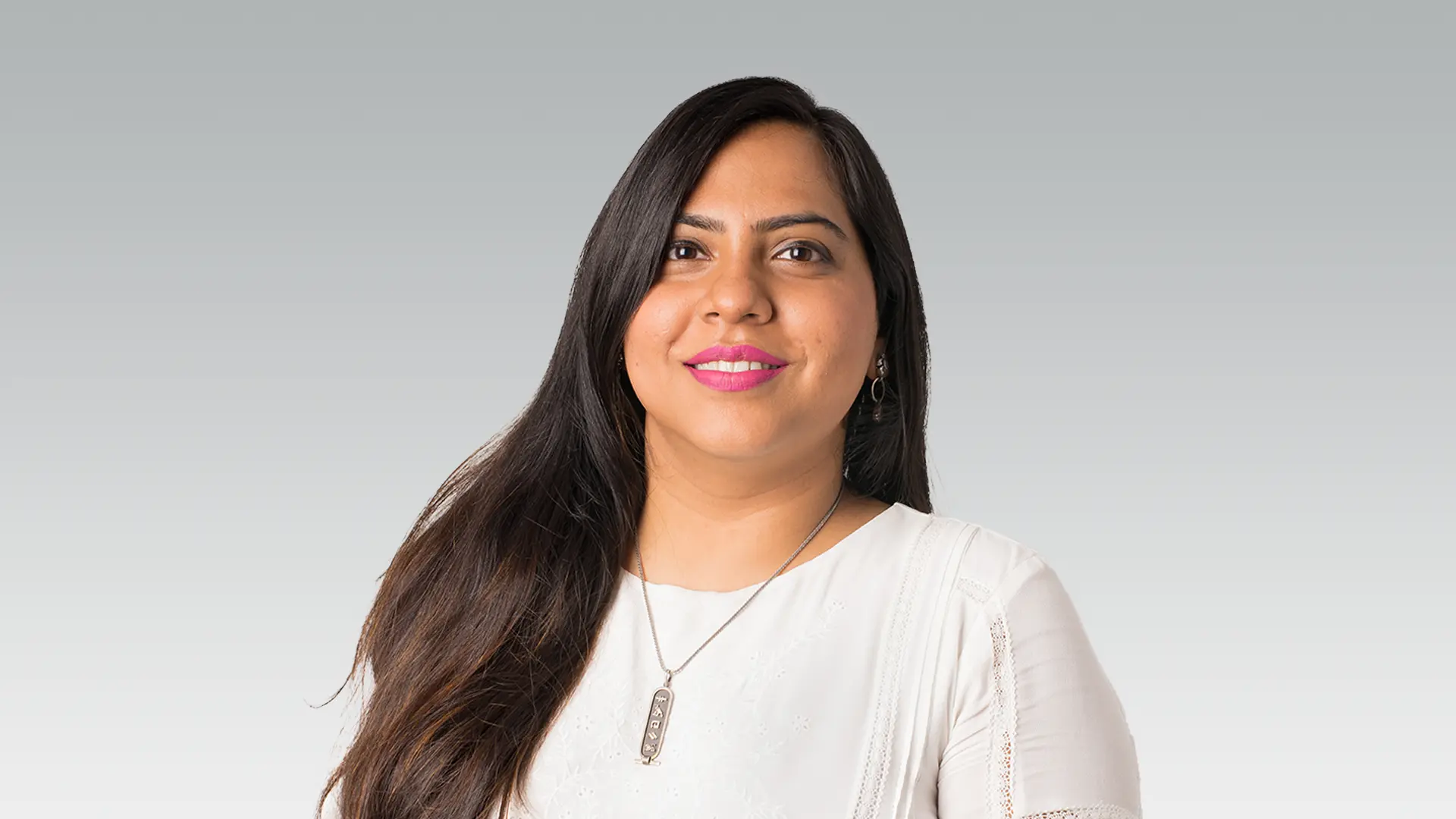
Garima Mitra
Co-founder
Spearheads Transactions, Contracts, and Compliance verticals at Treelife, combining expertise in business law with a focus on startup legal and governance.
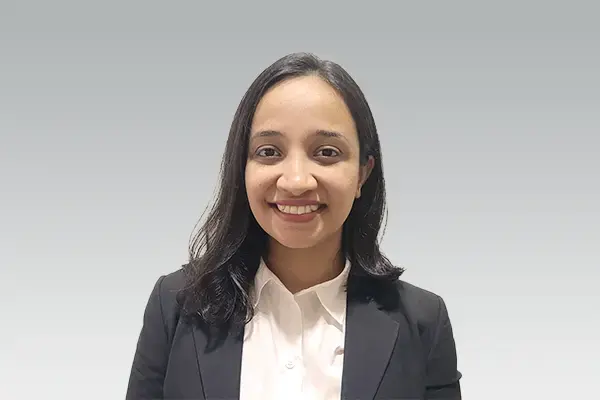
Pooja Savla
Principal Associate | Transactions
Specialises in transaction advisory, mergers and acquisitions, investment structuring, and corporate legal matters for startups and growth-stage companies.
We Are Problem Solvers. And Take Accountability.
Related Posts

Financial Planning and Analysis Services in India
Financial planning and analysis services in India cover the forward-looking half of finance: the annual operating plan, the rolling forecast,...
Learn More

Budget Forecasting Services for Startups
Many startups reach Series A with a monthly MIS pack and no approved annual budget. Lead investors usually ask for...
Learn More

Monthly MIS Reporting Services for Businesses
MIS reporting services in India sit between the accountant who closes the books and the board that has to act...
Learn More

Interim CFO After CFO Resignation: Handover, Interim Cover, Hiring
A CFO resignation sets two clocks running at once. The first is operational: bank mandates, payroll sign-offs, audit queries and...
Learn More

Finance Function Setup After Seed Funding: Team, Systems, Controls
Finance function setup after seed funding is a sequencing problem, not a hiring problem. The cash arrives together with obligations:...
Learn More

Virtual CFO vs Accountant: Role, Deliverables & Which you need
A startup's first finance hire is almost always an accountant, and that is the right call. Books, GST and TDS...
Learn More

Virtual CFO Accounting & GST Filing: Scope, Handoffs, Controls
Virtual CFO accounting and GST filing in India work as one system, not two services. The books feed the invoice...
Learn More

Virtual CFO Payroll & TDS Compliance: Scope, Filing Controls
Virtual CFO payroll and TDS compliance covers the full cycle, from salary structuring to the last salary TDS certificate handed...
Learn More

Virtual CFO Audit Coordination Services: Scope, Deliverables
Every company in India must get its accounts audited every year, and for a company without a finance team the...
Learn More

Startup Financial Controls: Approvals, Duties, Review cycle
Startup financial controls decide whether a founder learns about a wrong payment, a duplicate vendor or a missed TDS deposit...
Learn More
© 2026 Treelife Ventures Services Private Limited. All Rights Reserved.