



Blog Content Overview
- 1 Treelife Resources
- 1.1 Explore our resources to fuel your success and propel your business forward.
- 1.2 Latest Posts
- 1.2.0.1 Compliances for Private Limited Company in India – Annual, Event, ROC
- 1.2.0.2 Compliances For Partnership Firm in India- List, Benefits, Penalties
- 1.2.0.3 Compliance Calendar – October 2025 (Checklist & Deadlines)
- 1.2.0.4 Revised Regulatory Framework for Angel Funds in India (2025)
- 1.2.0.5 Conversion of Partnership Firm to LLP – Complete Process
- 1.2.0.6 What is ONDC? Making E-Commerce Easy for Startups [2026]
- 1.2.0.7 Conversion of LLP to Private Limited Company in India [2026]
- 1.2.0.8 Liquidated & Unliquidated Damages – Calculation in Contract Law
- 1.3 Thought Leadership
- 1.3.0.1 Rolling Budget Forecast Implementation: Horizon, Drivers, Update Cycle
- 1.3.0.2 Budget vs Actual Variance Reporting Services
- 1.3.0.3 Virtual CFO for Indian Subsidiary: Entity Setup, Compliance, Banking
- 1.3.0.4 Virtual CFO for Business Expansion: Budget, Setup, Cash planning
- 1.3.0.5 Virtual CFO for Post Acquisition Integration: Consolidation, Compliance
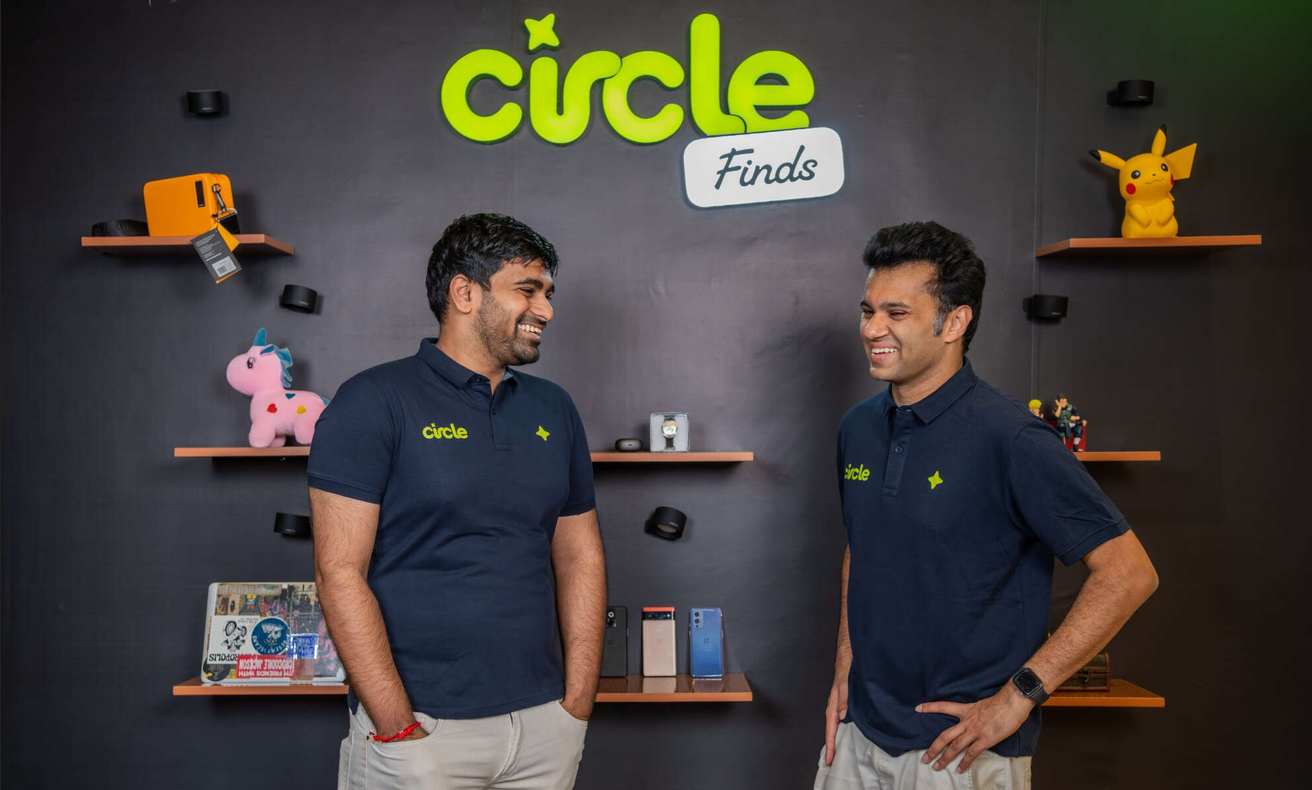
- 1.3.0.6 Treelife supported Circle in their Seed fundraise!
- 1.3.0.7 Treelife supports Spill Games in their Series A fundraise!
- 1.3.0.8 Treelife supported Piper Serica in its ₹15 crore investment in AlgoFET
- 1.3.0.9 Treelife supported Daxko FitnessForce in its acquisition by Daxko!
- 1.3.0.10 Treelife Advises Piper Serica in ₹15 Crore Investment in Yaanendriya
- 1.3.0.11 US Parent India Subsidiary Structure: How to Set it Up
- 1.3.0.12 Delaware Flip Services in India: Scope, Process
- 1.3.0.13 ESOP Vesting Schedule for Startups: Cliff, Structure, Timeline
- 1.3.0.14 ESOP Grant Letter and Employee Agreement: Format, Clauses, Documents
- 1.3.0.15 Legal Due Diligence Services in India
- 1.3.0.16 IFSCA tightening scrutiny on GIFT City AIFs – Money Control Exclusive adds Jitesh Agarwal’s note
- 1.3.0.17 Lenskart built its empire on franchisees. Now it’s battling them in courts
- 1.3.0.18 Treelife featured and authored a chapter in a report, “Funds in GIFT City- Scaling New Heights” by Eleveight
- 1.3.0.19 Blinkit 2.0: Can Zomato’s Juggernaut Fight Off Quick Commerce Rivals?
- 1.3.0.20 Startup India’s Post – Mapping India’s Spacetech Industry & Regulatory Landscape,
- 1.3.0.21 SEBI AIF Master Circular June 2026: Key Changes & Updates
- 1.3.0.22 RBI 2026 Repo Rate: Monetary Policy, Rupee, What Founders need to know
- 1.3.0.23 India Amends Press Note 3 (2020): What the FDI Policy Update Means for Investors and Founders
- 1.3.0.24 Revised Regulatory Framework for Angel Funds in India (2025)
- 1.3.0.25 SEBI Revamps Angel Fund Framework to Boost Startup Funding
- 1.4 We Are Problem Solvers. And Take Accountability.

Treelife Resources
Explore our resources to fuel your success and propel your business forward.
GET IN TOUCH WITH USLatest Posts

-
Link copied to clipboard!https://treelife.in/compliance/compliances-for-a-private-limited-company/

-

-

-

-

October 16, 2025 | Compliance
Compliances for Private Limited Company in India – Annual, Event, ROC
Read More

-
Link copied to clipboard!https://treelife.in/compliance/compliances-for-partnership-firm/
-
-
-
-
October 15, 2025 | Compliance
Compliances For Partnership Firm in India- List, Benefits, Penalties
Read More

-
Link copied to clipboard!https://treelife.in/calendar/compliance-calendar-october-2025/
-
-
-
-
October 1, 2025 | Calendar
Compliance Calendar – October 2025 (Checklist & Deadlines)
Read More

-
Link copied to clipboard!https://treelife.in/news/revised-regulatory-framework-for-angel-funds-in-india/
-
-
-
-
September 25, 2025 | News
Revised Regulatory Framework for Angel Funds in India (2025)
Read More

-
Link copied to clipboard!https://treelife.in/compliance/conversion-of-partnership-firm-to-llp/
-
-
-
-
September 19, 2025 | Compliance
Conversion of Partnership Firm to LLP – Complete Process
Read More

-
Link copied to clipboard!https://treelife.in/reports/open-network-for-digital-commerce-ondc/
-
-
-
-
September 19, 2025 | Reports
What is ONDC? Making E-Commerce Easy for Startups [2026]
Read More

-
Link copied to clipboard!https://treelife.in/compliance/conversion-of-llp-to-private-limited-company-in-india/
-
-
-
-
September 18, 2025 | Compliance
Conversion of LLP to Private Limited Company in India [2026]
Read More

-
Link copied to clipboard!https://treelife.in/legal/liquidated-and-unliquidated-damages/
-
-
-
-
September 17, 2025 | Legal
Liquidated & Unliquidated Damages – Calculation in Contract Law
Read More
Thought Leadership

Rolling Budget Forecast Implementation: Horizon, Drivers, Update Cycle
Rolling budget forecast implementation fails more often on process than on modelling. Most finance teams can build a 12 month forecast once. Few can refresh it every month, on a fixed working day, with named owners, without the exercise turning into a second budget cycle. In India the gap widens…

Budget vs Actual Variance Reporting Services
A board that sees a missed number once a quarter has already lost two months of options. Budget vs actual variance reporting services close that gap by comparing each budget line with closed actuals every month, explaining the difference in rupees and naming who acts. In India the work carries…

Virtual CFO for Indian Subsidiary: Entity Setup, Compliance, Banking
A foreign parent can incorporate an Indian subsidiary in weeks and still have nobody who owns its money. Incorporation produces a company, a PAN and a bank mandate. It does not produce a bank account that can receive capital under the Foreign Exchange Management Act (FEMA) 1999, a monthly close…

Virtual CFO for Business Expansion: Budget, Setup, Cash planning
Expansion is where most profitable Indian businesses first run short of cash. A new state, a second entity or an overseas subsidiary changes the cost base, the compliance calendar and the tax exposure at once. A virtual CFO for business expansion sits across all three, so the budget, the legal…

Virtual CFO for Post Acquisition Integration: Consolidation, Compliance
The deal closes on a Friday, and on Monday the acquirer owns a second set of books, a second set of bank accounts, a second payroll and a second audit cycle. In Indian deals, most value leaks in the first two quarters after closing: through weak payment controls, unreconciled intercompany…




US Parent India Subsidiary Structure: How to Set it Up
A US parent India subsidiary structure puts a US corporation, usually a Delaware C corporation, above an Indian private limited company that builds, sells or services in India. US investors and enterprise customers ask for it because a US company is easier to fund, contract with and acquire. The structure…

Delaware Flip Services in India: Scope, Process
A Delaware flip places a new US parent above your Indian company, so US investors, US customers and US equity rules apply at the top of the structure while the team, product and revenue stay in India. In practice it is three transactions at once: a Delaware incorporation, a restructuring…

ESOP Vesting Schedule for Startups: Cliff, Structure, Timeline
An ESOP vesting schedule for startups is the timetable on which granted options become exercisable; the cliff is the opening period in which none vest. Indian law fixes one number, the 12 months between grant and first vesting, and leaves cadence, length and conditions to the scheme. That freedom is…

ESOP Grant Letter and Employee Agreement: Format, Clauses, Documents
A grant letter and employee agreement do different jobs in an ESOP. The grant letter records the options one employee receives under an approved scheme. The employee agreement governs the employment and should point to the scheme instead of restating it. Unlisted Indian companies get into trouble when an offer…

Legal Due Diligence Services in India
Every priced funding round, acquisition and joint venture in India now closes on the back of a legal due diligence report. The report decides more than whether a deal happens. It decides the conditions precedent, the indemnity cap, how much sits in escrow and sometimes the price itself. Legal due…



SEBI AIF Master Circular June 2026: Key Changes & Updates
SEBI issued its updated Master Circular for Alternative Investment Funds (AIFs) on 03 June 2026, consolidating every circular, clarification, and regulatory change issued under the SEBI (Alternative Investment Funds) Regulations, 2012 up to 31 May 2026. The document runs 153 pages across 25 chapters and supersedes the previous Master Circular…

RBI 2026 Repo Rate: Monetary Policy, Rupee, What Founders need to know
The Reserve Bank of India held its benchmark repo rate steady at 5.25% at the June 2026 Monetary Policy Committee meeting, unanimously, under Governor Sanjay Malhotra. This is the third meeting in a row that the rate has stayed put, following a run of 150 basis point cuts between February…

India Amends Press Note 3 (2020): What the FDI Policy Update Means for Investors and Founders
India’s Cabinet approved an amendment to Press Note 3 (PN3) of 2020 in March 2026, and it is generating significant attention across the investment and startup community. Headlines have rushed to label it a sweeping FDI liberalisation. The reality is considerably more targeted. This report breaks down exactly what changed,…
Revised Regulatory Framework for Angel Funds in India (2025)
The Securities and Exchange Board of India (SEBI) recently announced a major overhaul to the regulatory framework for Angel Funds under the Alternative Investment Funds (AIF) Regulations, 2012. This new framework, introduced in 2025, aims to enhance transparency, improve operational clarity, and encourage investor participation. In this article, we’ll explore…

SEBI Revamps Angel Fund Framework to Boost Startup Funding
In a significant move to invigorate India’s startup ecosystem, the Securities and Exchange Board of India (SEBI), during its board meeting on June 19, 2025, approved substantial changes to the Angel Fund Framework. These revisions are designed to unlock more capital for early-stage companies while simultaneously ensuring enhanced investor suitability…